
- All
- Product Name
- Product Keyword
- Product Model
- Product Summary
- Product Description
- Multi Field Search
Views: 0 Author: Site Editor Publish Time: 2025-12-29 Origin: Site

Metal Injection Molding (MIM) is revolutionizing manufacturing with its ability to create complex metal parts. But, the success of MIM heavily depends on choosing the right materials.
In this article, we will explore the different materials used in MIM, from ferrous alloys to special materials like titanium. You'll learn how material selection impacts performance, cost, and precision in the MIM process.
In Metal Injection Molding, the materials used are fine metal powders mixed with a binder. This feedstock is injected into a mold cavity, where it takes shape. After the injection, the binder is removed through a process known as debinding, and the remaining metal is sintered at high temperatures to achieve its final, dense structure. The choice of materials significantly impacts the performance, precision, and durability of the final product.
Metal injection molding (MIM) relies on various materials to create high-performance, complex parts. These materials are categorized into four main types, each offering specific advantages for different applications. Below is a brief overview of the categories:
Category | Description | Examples |
Ferrous Alloys | Iron-based alloys offering strength and corrosion resistance. | Stainless steels, tool steels, Kovar, Invar |
Tungsten Alloys | High-density alloys ideal for extreme conditions. | Tungsten, tungsten-copper alloys |
Hard Metals and Cermets | Extremely durable and wear-resistant materials. | Cemented carbides (WC-Co), cermets (Fe-TiC) |
Special Materials | High-performance materials for specific, demanding uses. | Titanium alloys, precious metals, nickel-based superalloys |
Each of these material categories has distinct properties that make them suitable for specific industries and applications. In the following sections, we will delve deeper into each of these materials and their uses in MIM.
The success of MIM depends heavily on choosing the right material. Different materials offer distinct properties such as corrosion resistance, wear resistance, and strength. For example, titanium alloys are perfect for medical implants, while tungsten alloys are ideal for aerospace applications. Incorrect material choice can lead to product failure, increased costs, or performance issues. Selecting the correct material ensures optimal performance, durability, and cost-efficiency.
Ferrous alloys are primarily composed of iron and are widely used in MIM. These alloys offer a combination of strength, hardness, and corrosion resistance. Common ferrous alloys used in MIM include stainless steels, tool steels, and magnetic alloys like Kovar and Invar.
Material Type | Key Characteristics | Typical Applications |
Stainless Steels | Strong corrosion resistance | Medical, automotive, aerospace |
Tool Steels | High hardness and wear resistance | Cutting tools, dies |
Kovar / Invar | Low thermal expansion, high stability | Electronics, aerospace |
Ferrous alloys are commonly used in high-performance applications. In medical devices, stainless steels are used for surgical tools, implants, and dental instruments. Tool steels are used to produce precision parts in industries that require high wear resistance, such as automotive and aerospace. Their ability to withstand extreme conditions makes ferrous alloys a popular choice for industries demanding durability and strength.
While stainless steels are generally resistant to corrosion, the sintering process can cause issues. Chromium in stainless steels can evaporate during sintering, which can compromise corrosion resistance. To overcome this, post-sintering polishing or electrochemical treatments are often used to restore the material’s surface properties. Careful attention to the sintering process is crucial to ensure that these materials retain their durability, especially in industries like medical devices where corrosion resistance is paramount.
Tungsten alloys, primarily tungsten-copper blends, are known for their high density and resistance to extreme heat. These alloys are used in applications that demand both strength and thermal stability. Tungsten is one of the densest metals and is resistant to high temperatures, making it suitable for aerospace, defense, and other high-stress industries.
Tungsten's exceptional properties make it ideal for MIM. Its high melting point and resistance to thermal expansion make it valuable for components that must endure extreme temperatures. Tungsten alloys also offer excellent wear resistance and can withstand high pressures and corrosive environments. These properties are why tungsten is heavily used in industries where durability under harsh conditions is essential.
● Aerospace: Tungsten alloys are used for components that must withstand high stress and heat, such as engine parts and radiation shielding.
● Defense: The high density of tungsten makes it useful in armor-piercing projectiles and other defense applications.
While tungsten alloys offer many advantages, they can be challenging to process in MIM due to their high density and difficulty in sintering. Special techniques are required to ensure that the material maintains its properties after the sintering process. The high temperature required for sintering tungsten alloys can also cause distortion or cracking if not properly controlled.
Hard metals, such as cemented carbides (WC-Co), and cermets, such as Fe-TiC, are widely used in MIM for their high hardness, wear resistance, and strength. These materials are often employed in cutting tools, mining tools, and components subject to heavy wear.
The main advantage of hard metals and cermets is their hardness and resistance to abrasion. These materials maintain their strength under extreme conditions and are ideal for use in high-wear environments. For example, cemented carbides are frequently used in mining tools, while cermets are used in industrial cutting tools.
● Mining: Cemented carbides are used for drilling bits, which must withstand the abrasive forces of rock.
● Tool Manufacturing: Cermets are ideal for cutting tools because of their hardness and resistance to wear.
The challenge with hard metals and cermets in MIM is that they are difficult to sinter due to their high hardness. Additionally, the complex shapes required for these parts can make the sintering process tricky. However, advancements in MIM technology have made it easier to work with these materials, allowing for the production of intricate, high-precision parts.
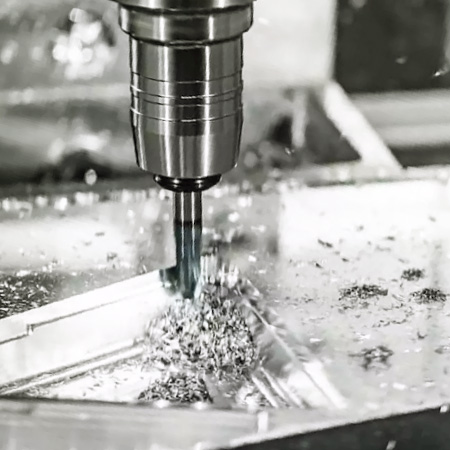
Special materials in MIM include high-performance alloys and materials that are typically not used in conventional manufacturing processes. This category includes titanium alloys, precious metals, nickel-based superalloys, and other high-strength materials.
Titanium alloys are one of the most important special materials used in MIM, particularly in the medical field. Titanium’s biocompatibility and resistance to corrosion make it ideal for implants, surgical instruments, and dental devices. The MIM process allows for cost-effective production of complex titanium components that would otherwise be difficult to machine.
● Precious Metals: Gold, silver, and platinum are used in jewelry manufacturing and high-end electronics.
● Nickel-based Superalloys: These materials are used in aerospace and turbine components where high heat resistance is crucial.
Special materials often present challenges during the sintering process, especially titanium and nickel-based alloys. These materials are prone to oxidation at high temperatures, so careful control of the sintering atmosphere is essential to avoid degradation. Specialized post-processing treatments, such as heat treatment or polishing, are often necessary to maintain the material's properties.
Different metal injection molding materials offer distinct performance advantages, making them suitable for specific use cases. The following table provides a concise comparison based on typical application needs.
Material Category | Best Suited For |
Ferrous Alloys | Strength and corrosion-resistant applications |
Tungsten Alloys | High-density and high-temperature environments |
Hard Metals and Cermets | Wear-resistant tools and components |
Special Materials | Precision, biocompatible, and high-end uses |
When selecting materials for MIM, consider factors like mechanical properties, temperature resistance, corrosion resistance, and the specific requirements of the application. For instance, medical implants require biocompatible materials like titanium, while cutting tools demand hard metals like cemented carbides.
Material costs are a significant factor in the final cost of MIM parts. While high-performance materials like tungsten or titanium offer excellent properties, they can be expensive. For large-volume production, it may be more cost-effective to use ferrous alloys or hard metals, which provide a good balance of performance and price.
New materials are continuously being developed for MIM, offering even greater performance and flexibility. For example, advanced composites and high-strength alloys are starting to gain popularity for specialized applications in aerospace and automotive industries.
As MIM technology advances, it’s becoming easier to create custom feedstocks tailored to specific applications. This allows manufacturers to develop materials that offer the perfect balance of strength, durability, and cost-efficiency for their products.
The future of MIM materials looks promising, with continued research into new alloys and customized solutions. As industries demand more complex and high-performance components, MIM materials will continue to evolve to meet these needs.
Metal Injection Molding (MIM) relies on selecting the right materials, such as ferrous alloys and titanium, to ensure performance, durability, and cost-efficiency. Material choice is vital for meeting specific requirements like corrosion resistance, strength, and biocompatibility. As MIM technology evolves, new materials and innovations will shape manufacturing. Companies like Taizhou Huangyan Guangdian Technology Co., Ltd. offer advanced MIM solutions, providing high-quality, cost-effective components that meet the demands of various industries.
A: Metal injection molding materials are fine metal powders mixed with a binder, which are then molded into complex parts. These materials include ferrous alloys, tungsten alloys, hard metals, and special materials like titanium.
A: Material selection in metal injection molding is crucial because it impacts the performance, durability, and cost of the final product. Choosing the right material ensures the part meets specific requirements such as strength and corrosion resistance.
A: Common materials used in metal injection molding include ferrous alloys (like stainless steel), tungsten alloys, hard metals (like cemented carbides), and special materials such as titanium alloys and precious metals.
A: The choice of material in metal injection molding directly impacts the cost. High-performance materials like titanium or tungsten alloys tend to be more expensive, while more common materials like ferrous alloys can be more cost-effective.
A: Yes, custom metal injection molding materials can be developed to meet specific performance needs. However, this customization may incur additional costs due to specialized powders and formulations.
A: Titanium alloys are highly valued in metal injection molding for their excellent biocompatibility, corrosion resistance, and lightweight properties, making them ideal for medical and aerospace applications.


