
- All
- Product Name
- Product Keyword
- Product Model
- Product Summary
- Product Description
- Multi Field Search
Views: 0 Author: Site Editor Publish Time: 2025-12-26 Origin: Site

In the world of plastic manufacturing, blow molding and injection molding are two of the most widely used processes. Both are crucial for producing a vast array of everyday items, from containers to automotive parts. Understanding their differences is vital for choosing the right method for your project.
In this article, we will explore the key differences between blow molding and injection molding. You will learn about the advantages, applications, and factors to consider when choosing the best process for your production needs.
Blow molding is a manufacturing process used to create hollow plastic products. It starts with a heated plastic tube called a parison, which is inflated inside a mold to form the desired shape. This technique is ideal for creating lightweight, hollow objects such as bottles, containers, and tanks.
● Extrusion Blow Molding: The parison is extruded and inflated in a mold to create hollow parts like bottles and containers.
● Stretch Blow Molding: Used mainly for creating bottles, this method stretches the parison before it is inflated, resulting in a stronger and more durable product.
Blow molding is used for products that require a hollow form, including:
● Plastic bottles
● Automotive components (e.g., fuel tanks)
● Medical devices
● Large containers for industrial use
Blow molding is a highly efficient process for large-volume production of hollow parts with simple geometries, making it ideal for items like bottles or tanks.
Injection molding involves injecting molten plastic into a mold under high pressure, where it cools and solidifies into a solid part. This method is often used for producing complex, high-precision parts in both low and high-volume production.
Injection molds are typically more intricate and expensive compared to blow molds. They require precise engineering to ensure the plastic fills every part of the mold evenly. This precision makes injection molding ideal for producing solid, durable products with complex geometries.
Products made through injection molding include:
● Plastic parts for electronics (e.g., phone cases, housings)
● Automotive components (e.g., dashboards, clips)
● Medical devices (e.g., syringes, surgical tools)
● Consumer goods (e.g., combs, caps)
Injection molding is best suited for products requiring high precision and durability. It excels in industries where complex, solid components are essential.
While both methods involve molding plastic, they operate in distinctly different ways, which affects the types of products they can produce and their associated costs.
The production processes of blow molding and injection molding differ significantly, primarily in how the plastic is formed into the desired product. Blow molding involves inflating a plastic tube (parison) inside a mold to create hollow parts, while injection molding involves injecting molten plastic under high pressure into a mold to produce solid parts. Below is a comparison of these two methods:
Process Type | Blow Molding | Injection Molding |
Method | Inflates a heated plastic tube (parison) inside a mold to create hollow parts. | Injects molten plastic under high pressure into a mold to create solid parts. |
Final Product | Hollow products (e.g., bottles, containers) | Solid products (e.g., caps, housings) |
Material Form | Tube (parison) is used to form the product. | Molten plastic is injected into the mold. |
Complexity | Simpler product shapes with hollow interiors. | More complex parts with intricate designs and high precision. |
Blow molding and injection molding are suited for different types of products. Blow molding is ideal for producing hollow items, while injection molding excels in creating solid parts with complex shapes. Below is a comparison of the product types best suited for each method:
Process Type | Blow Molding | Injection Molding |
Best Suited For | Hollow items like bottles, tanks, and containers. | Solid parts with complex shapes and detailed features. |
Examples | Bottles, fuel tanks, plastic containers, toys. | Plastic parts for electronics, automotive components, medical devices. |
When comparing blow molding and injection molding, machine costs and production speed play a significant role in determining the most suitable process for your needs. Blow molding tends to have lower machine costs and faster production cycles, while injection molding requires more expensive machinery due to the complexity of its molds. Below is a comparison of machine costs and production speed for both methods:
Process Type | Blow Molding | Injection Molding |
Machine Costs | Generally less expensive due to simpler molds. | More expensive because of complex molds and machinery. |
Production Speed | Faster production cycles for simpler, hollow parts. | Slower cycles due to the need for high precision and intricate molds. |
Blow molding offers several advantages, especially when it comes to creating hollow plastic parts.
Blow molding typically requires less expensive machinery and molds. This makes it a more cost-effective option, especially for high-volume production.
Blow molding is specifically designed for creating hollow products like bottles and tanks, making it highly efficient for these types of items.
Because of its simplicity, blow molding can produce large quantities of parts quickly, reducing the overall time to market.
Blow molding’s flexibility in part design allows for varying wall shapes and thicknesses, which is crucial for producing items like containers or tanks. Furthermore, it requires less energy compared to injection molding, as it operates at lower pressures, reducing operational costs.
While blow molding has its benefits, injection molding is ideal for producing solid, high-precision parts with more complex designs.
Injection molding is perfect for creating parts with intricate designs and superior strength. It can handle complex features that blow molding cannot, such as threads, clips, or detailed patterns.
Unlike blow molding, which produces hollow products, injection molding excels at creating solid products. This makes it suitable for a wide range of industries, including automotive, electronics, and medical.
Injection molding produces highly durable parts with tight tolerances, ensuring high-quality, long-lasting products. It also works with a broader range of materials, including thermoplastics, thermosets, and elastomers, giving it versatility for many applications.
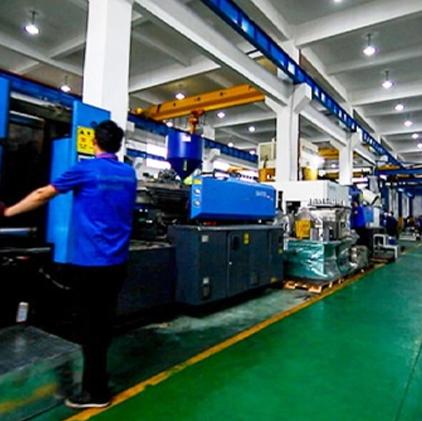
The cost of both processes can vary significantly depending on the product being produced, but there are some key differences to keep in mind.
● Blow Molding: Generally less expensive due to lower tooling and machine costs.
● Injection Molding: More expensive, especially for complex molds and materials.
● Blow Molding: Ideal for high-volume production of simple, hollow parts.
● Injection Molding: Best for high-volume production of complex, solid parts.
While injection molding has higher upfront tooling costs, it can be more cost-effective over the long term if you need to produce a large number of parts with intricate details. On the other hand, blow molding is typically the better choice for businesses focused on producing large volumes of hollow items, such as bottles.
Both blow molding and injection molding are capable of high-volume production, but the speed and scalability of each method depend on the product.
● Blow Molding: Can produce parts quickly, especially when the design is simple and the mold is basic.
● Injection Molding: Cycle times are longer due to the complexity of the molds and the need for higher precision.
● Blow Molding: Suitable for large-volume production of simple parts. The use of multiple molds can help speed up production.
● Injection Molding: Also capable of high-volume production but requires more investment in tooling and mold complexity.
Blow molding is faster for hollow, less complex parts, while injection molding excels at producing solid, intricate designs but at a slower pace.
When choosing between blow molding and injection molding, it's important to consider several factors to ensure the best process for your product. These factors include the product type, production volume, and cost considerations. Below is a comparison of these factors to help guide your decision:
Factor | Blow Molding | Injection Molding |
Product Type | Ideal for hollow, high-volume products. | Better suited for solid, complex parts. |
Production Volume | Best for large volumes of simple products. | Works best for smaller, more intricate runs. |
Cost and Tooling | More affordable for hollow parts and simple designs. | Higher investment for complex, solid items. |
In conclusion, both blow molding and injection molding are crucial techniques in plastic manufacturing. The choice of method depends on product complexity, material needs, and volume. Blow molding is ideal for producing hollow, cost-effective parts, while injection molding is better for high-precision, solid products.
For businesses like Taizhou Huangyan Guangdian Technology Co., Ltd., carefully evaluating design, volume, and material needs ensures the right molding process for efficient production and product quality.
A: Blow molding uses air to create hollow plastic products, while injection molding injects molten plastic under pressure to create solid parts. Each method suits different product types based on shape and material.
A: Choose blow molding for hollow, large-volume products like bottles, and injection molding for solid, high-precision parts with complex shapes.
A: Blow molding is more cost-effective for producing hollow parts in high volumes, while injection molding excels in creating durable, detailed solid products with precise dimensions.
A: Blow molding tends to be cheaper, especially for high-volume production of simple hollow products, while injection molding can be more expensive due to complex tooling.
A: Blow molding is faster for simple hollow parts, while injection molding can take longer for complex, high-precision solid parts due to longer cycle times.


