

Views: 0 Author: Site Editor Publish Time: 2025-12-25 Origin: Site


Injection molding is essential in producing plastic parts, but it’s often expensive for small-scale projects. What if you could make molds yourself and save money?
In this article, we’ll explore how DIY injection molding with 3D-printed molds is changing the game. You’ll learn how to create plastic parts in-house affordably and efficiently.
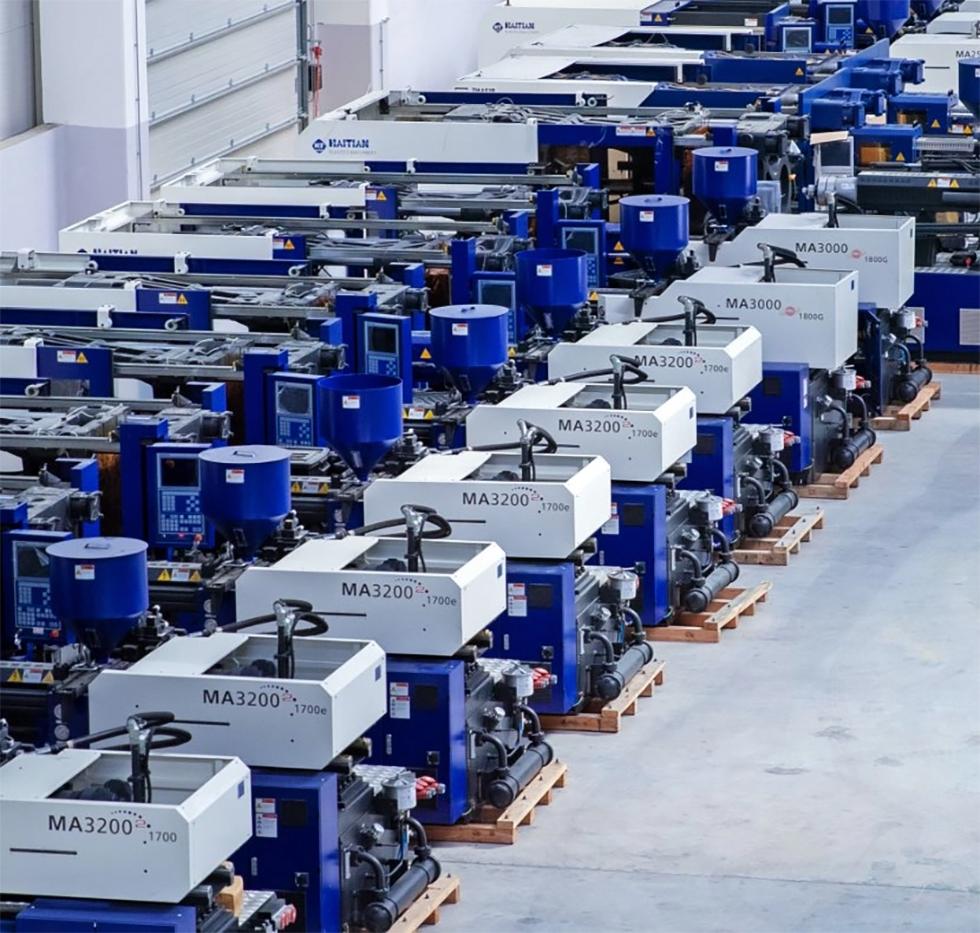
When starting a DIY injection molding project, the most essential piece of equipment is the injection molding machine. These machines come in various sizes and capabilities, so choosing the right one depends on your production goals.
● For Home Use: Small desktop injection molding machines are available for hobbyists or small-scale production. These machines are compact, cost-effective, and can handle small volumes.
● For Industrial Use: Larger machines offer greater precision and flexibility but are more expensive and suited for high-volume production.
Consider the size, capacity, and ease of use of the machine to match your project’s needs. Smaller, desktop machines are excellent for hobbyists and small businesses that focus on low-volume production and prototyping.
Designing the mold is a critical step in the DIY injection molding process. Using CAD software allows for precise control over the mold's dimensions, ensuring it accurately shapes your parts.
CAD tools like SolidWorks and Fusion 360 offer powerful capabilities to model both the part and mold. Proper mold design is essential, with attention to draft angles, gating systems, and the overall geometry of the part to ensure a smooth manufacturing process.
Draft angles, for example, allow for easier removal of the part from the mold without causing damage. Incorporating the right gating system also ensures the plastic flows evenly into the mold, reducing defects.
When it comes to selecting materials for 3D printing molds, choosing the right material is crucial. The material must be able to withstand the high temperatures and pressure that occur during the injection molding process. Below are some common 3D printing mold materials, each with unique properties to suit different application needs.
Material |
Characteristics |
Recommended Use |
High Temp Resin |
Designed to withstand high molding temperatures, ideal for complex molds |
Suitable for high-temperature and intricate mold designs |
Rigid 10K Resin |
Known for its durability and strength, perfect for precision and longevity |
Ideal for molds requiring precision and long-term use |
Grey Pro Resin |
Cost-effective, balancing durability and ease of use |
Best for simpler molds with moderate durability requirements |
Choosing the right material ensures that your 3D-printed molds will perform effectively under the stress of the injection molding process..
Choosing the right plastic resin for your parts is just as important as selecting the mold material. The plastic resin you choose determines the final product's properties, such as flexibility, strength, and heat resistance. Below are some commonly used resins in injection molding, each with its unique characteristics.
Plastic Resin |
Characteristics |
Recommended Use |
ABS |
Strong, durable, and resistant to impact |
Ideal for parts requiring strength and durability |
Polyethylene (PE) |
Flexible and resistant to chemicals |
Best for parts needing flexibility and chemical resistance |
Polypropylene (PP) |
Known for chemical resistance and low friction |
Suitable for parts requiring chemical resistance and low friction |
Understanding the material properties will help you select the right resin for the application. ABS is a versatile option for most projects, but for parts that require flexibility, PE or PP might be better suited.
Designing your mold starts with understanding the geometry of your part. Using CAD software, you can create a detailed 3D model of the mold, which will serve as the foundation for your injection molding process.
Ensure that the mold has a consistent wall thickness to prevent weak spots in the final part. Also, the mold design should include gating systems that guide the molten plastic into the mold cavity efficiently. Adding draft angles is crucial, as it allows the finished part to be removed easily from the mold without damage.
Once your mold design is ready, it’s time to 3D print it. The quality of your 3D-printed mold will directly impact the final product, so follow these steps for the best results.
● Choose the Right 3D Printing Technology: SLA (Stereolithography) printers offer high precision, while FDM (Fused Deposition Modeling) printers are more accessible and affordable.
● Optimize Print Settings: Use a higher resolution setting to reduce the appearance of print lines and improve mold detail.
● Post-Processing: After printing, clean the mold thoroughly to remove any support structures. Curing the mold (if using resin) will also enhance its strength and durability.
Smoothing the surface of the mold will reduce imperfections on the final part, contributing to a better finish. Take care to follow post-processing steps carefully to ensure the mold performs well under heat and pressure.
Once the mold is ready, you can begin the injection molding process.
● Prepare the Injection Molding Machine: Set the temperature according to the type of plastic resin being used.
● Inject the Plastic: Load the molten plastic into the injection molding machine and inject it into the mold cavity. Ensure the mold is securely clamped to avoid leaks.
● Cooling and Removal: Allow the plastic to cool and solidify before carefully removing the part from the mold. Be mindful of the cooling time, as rapid cooling can cause warping.
Managing the cooling time is essential, as too fast or too slow cooling can both result in defects. Adjust the machine settings for optimal performance based on the material being used.
The surface quality of your molded part is directly influenced by the 3D printing process. To reduce visible print lines, consider printing at a finer resolution. This will result in smoother surfaces and improve the overall quality of the final part.
Polishing the mold with fine-grit sandpaper can further reduce imperfections, leading to a more polished surface on the part.
To extend the lifespan of your 3D-printed molds and ensure consistent part quality, focus on using durable resins like Rigid 10K or High Temp Resin, especially if you plan to run multiple cycles. Designing for longevity means reinforcing areas of the mold that will face the most stress.
Additionally, maintain your mold by regularly cleaning it and checking for signs of wear. This helps preserve the mold's performance over time.
Removing parts from the mold without damaging either the part or the mold is a critical step in the injection molding process. Ensuring proper draft angles in the mold design and applying release agents can make this step easier.
After use, clean the mold thoroughly to remove any leftover plastic. Store it in a dry, cool environment to prevent degradation, ensuring that it lasts for multiple uses.
Warping occurs when the plastic cools unevenly, leading to deformation in the final part. To avoid this, control the cooling rate by allowing the part to cool slowly and evenly. Maintaining a consistent mold temperature is also important to reduce internal stresses.
If warping continues to be a problem, consider using a water bath to cool parts more uniformly and reduce deformation.
Air bubbles or incomplete filling can occur if the mold cavity is not properly filled. Ensuring that the mold is vented properly will allow trapped air to escape. Check the gate design to make sure the plastic flows smoothly and fills the mold entirely.
Surface defects like flash (excess material around the mold edges) can occur due to improper clamping or uneven filling. Ensuring the mold is securely clamped during injection helps to prevent flash.
Regularly inspect the mold for wear, as surface defects can often signal that the mold needs maintenance or replacement.
Issue |
Cause |
Solution |
Warping |
Uneven cooling and inconsistent mold temperature |
Control cooling rate, use a water bath |
Incomplete Filling |
Poor venting or gate design |
Ensure proper venting, check gate design |
Surface Defects |
Improper clamping or uneven filling |
Secure clamping, inspect mold for wear |
DIY injection molding is an excellent option for small-scale, cost-effective production. 3D-printed molds are cheaper and faster to produce than traditional metal molds, making them ideal for low-volume runs, rapid prototyping, and custom parts. This method is particularly beneficial for small businesses or hobbyists who need quick turnarounds without significant investment in expensive machinery.
While DIY injection molding is ideal for small projects, it has limitations. 3D-printed molds are not as durable as metal molds and can only handle a limited number of cycles before wear becomes an issue. Additionally, the material choices for 3D printing are restricted compared to traditional injection molding, and certain high-temperature plastics may not work well with 3D-printed molds.
For large-scale production or when high precision is required, traditional injection molding methods using metal molds are more suitable. Metal molds can handle higher temperatures, more cycles, and are generally more durable. However, they come at a higher upfront cost and longer lead times, making them less ideal for small runs or prototypes.
Molding Method |
Best Suited For |
DIY Injection Molding |
Small-scale production and prototyping |
Traditional Molding |
Large-scale production and high precision |
For complex parts or molds with multiple cavities, consider using multi-part molds. This can be particularly useful for parts with intricate designs or undercuts that require movable components within the mold. Additionally, multi-material 3D printing allows for even more complex designs, providing varying strengths in different parts of the mold.
To maximize efficiency and reduce material waste, streamline your mold design by minimizing unnecessary complexity. Using optimized geometries can help reduce production time and material costs while maintaining the quality of the final part.
DIY injection molding using 3D-printed molds offers a cost-effective way to create plastic parts in-house. By focusing on design, material selection, and proper machine setup, you can achieve high-quality results for small-scale production or prototyping. This method is ideal for hobbyists, designers, and small businesses looking to bring their ideas to life affordably. Companies like Taizhou Huangyan Guangdian Technology Co., Ltd. offer valuable products that support this process, enhancing the accessibility and efficiency of DIY molding solutions.
A: DIY injection molding is a cost-effective process that allows you to create plastic parts in-house using 3D-printed molds. It's ideal for small-scale production or prototyping.
A: To start DIY injection molding, you'll need an injection molding machine, CAD software for designing the mold, 3D printing materials, and the right plastic resin for injection molding.
A: DIY injection molding with 3D-printed molds offers lower costs, faster prototyping, and flexibility for small-batch production, making it perfect for hobbyists and small businesses.
A: 3D-printed molds are suitable for a limited number of cycles. For high-volume production, traditional metal molds are more durable. However, proper care can extend the lifespan of 3D-printed molds.
A: Common issues include warping, incomplete filling, and surface defects. Ensuring proper cooling and mold design can help mitigate these problems.


